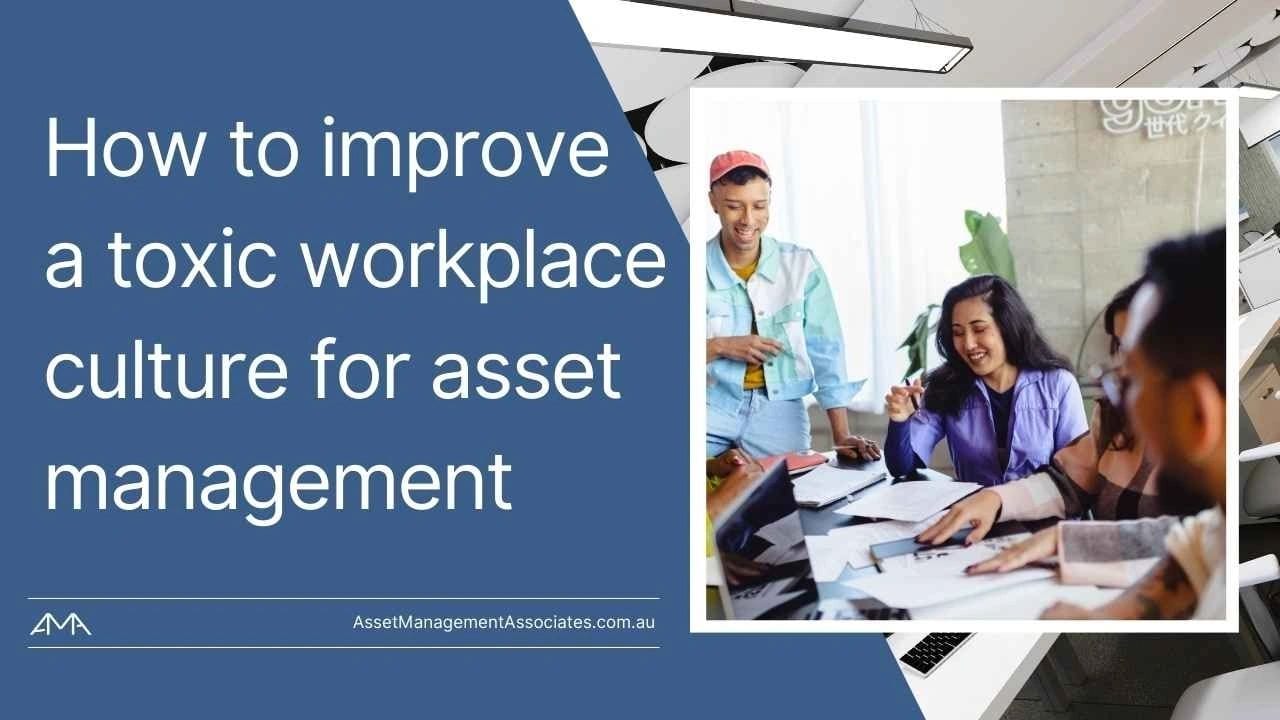
How to improve a toxic workplace culture for asset management
By Jarrod Chesher and Rachel Scott
A toxic workplace culture can severely hinder an organisation's success. Research shows that toxic environments negatively impact individual employees, teams, and overall company performance. If you want to enhance your asset management outcomes, the first step is to address any workplace toxicity. This article outlines how to identify a toxic culture, take corrective action, and foster a supportive environment for your asset management team.
Recognising a toxic workplace culture
Toxicity in the workplace often manifests in ways that affect both people and processes. Here are some common signs to watch for:
- Employees are hesitant to voice their ideas or concerns.
- Negative comments and attitudes dominate workplace interactions.
- Team members appear disengaged or unhappy.
- Increased human errors, including maintenance mistakes or system failures.
- A rise in safety incidents and operational risks.
If these issues sound familiar, it's crucial to address them promptly to safeguard your team's well-being and asset management objectives.
Read: How to Improve a toxic workplace culture for asset management
Steps to address workplace toxicity
1. Talk to your employees
Start by engaging your team to understand their perspectives. Ask open-ended questions about workplace challenges and areas for improvement.
Learn more about the coach approach.
2. Bring in an external consultant
Sometimes, an objective outsider can provide valuable insights and actionable recommendations for cultural transformation.
Creating a supportive workplace culture
1. Design your culture
Clearly define your company's values and ensure all employees are aligned. Create a mission statement and implement onboarding programs that embed these values. Annual training sessions can help reinforce cultural expectations among existing staff.
2. Create a safe environment
Foster an inclusive and open culture where employees feel respected and valued. A positive work-life balance can also contribute to mutual respect and team satisfaction.
3. Be consistent
Cultural change requires sustained effort. Be clear about your expectations, follow through on promises, and hold everyone accountable for upholding your company values.
Why a supportive culture is key to asset management success
Successful asset management relies on a workplace culture that supports collaboration, accountability, and innovation. By addressing toxicity and fostering a positive environment, you empower your team to achieve exceptional results.
Build a thriving asset management culture today
Our expert consultants specialise in transforming workplace cultures to boost performance and employee satisfaction. Speak to us today to see how we can support your journey toward a healthier, more productive environment.
Join our growing community of asset management professionals. Follow us on LinkedIn and be part of the conversation.