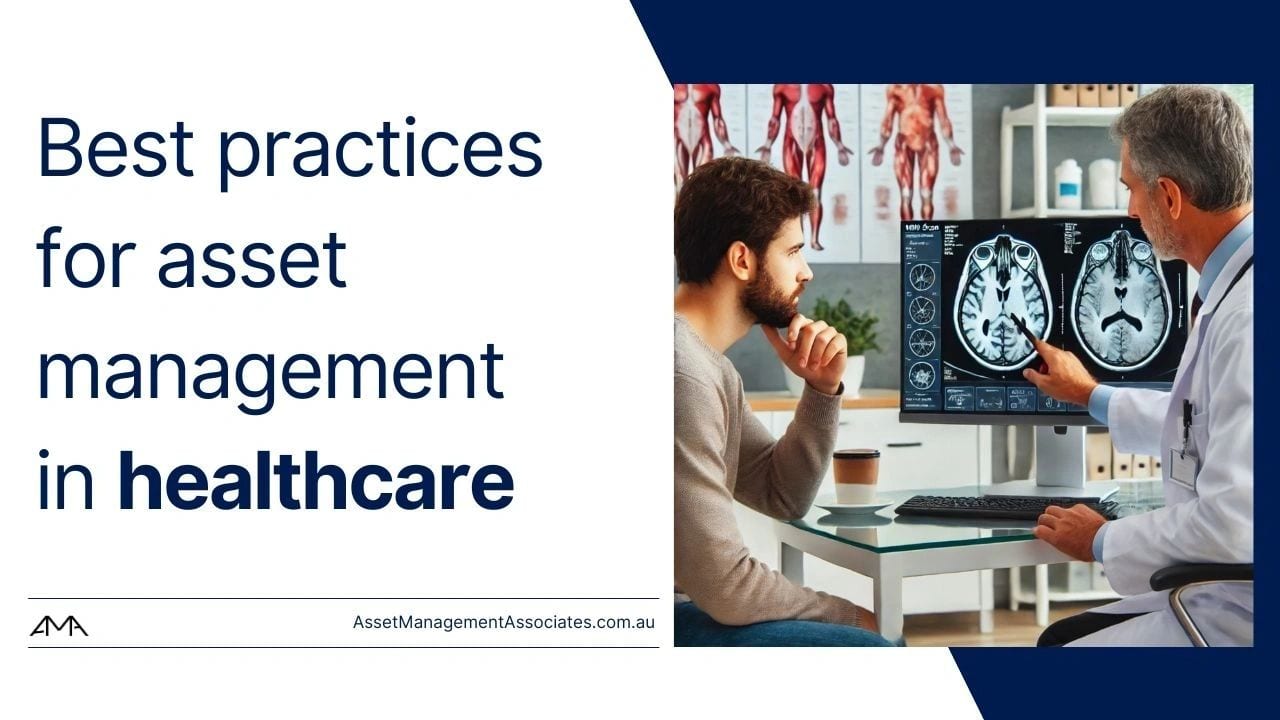
Best practices for asset management in healthcare
By Rachel Scott and Jarrod Chesher
In the healthcare industry, effective asset management is essential for ensuring medical equipment is reliable, available, and safe. It plays a key role in reducing downtime, optimising costs, and ultimately improving patient outcomes. This guide outlines the best practices for healthcare asset management, with a focus on strategic planning, preventive maintenance, compliance, and leveraging data for better decisions.
The importance of asset management in healthcare
Healthcare providers manage a wide range of assets — from diagnostic imaging machines and ventilators to surgical tools and monitoring devices. Effective healthcare asset management ensures this equipment is:
- Functioning reliably when needed
- Maintained according to regulatory requirements
- Optimised for cost-efficiency
- Safely used by trained staff
A well-structured asset management system supports clinical care while helping facilities meet safety standards and manage lifecycle costs.
Learn more about the importance of an asset management plan and how it supports healthcare strategy.
Best practices for asset management in healthcare
1. Strategic planning
Strategic planning helps healthcare organisations identify their asset needs, forecast future demand, and create a comprehensive management plan.
Example practice:
Conduct a health service demand analysis and capability needs assessment to understand current and future equipment requirements. Consider patient volume, service offerings, and clinical priorities to guide purchasing and investment decisions.
💡 Read how to develop a comprehensive asset management strategy that aligns with healthcare delivery.
2. Regular maintenance
A structured maintenance program is critical for medical device reliability and safety. Preventive maintenance reduces unplanned downtime and extends equipment life.
Example practice:
Develop a preventive maintenance schedule aligned with manufacturer guidelines and usage data. Include regular inspections, calibrations, software updates, and documentation.
🔧 Learn more in our guide to packaging maintenance tasks for efficiency and improving service delivery in complex environments.
3. Data-driven decision making
Using real-time data helps identify performance issues, optimise asset utilisation, and manage lifecycle costs.
Example practice:
Adopt an asset management software platform that tracks usage, logs maintenance history, and provides dashboards on asset performance and availability.
🧠 Dive deeper into data analytics in asset management and how to use it for smarter decision-making in healthcare.
4. Compliance and regulatory standards
Healthcare organisations must meet stringent regulatory requirements from bodies like the Therapeutic Goods Administration (TGA) and ISO 13485 for medical devices.
Example practice:
Implement a compliance management system that ensures all equipment has up-to-date certifications, inspection records, and documentation for audits.
📄 For a solid foundation, check out our ISO-focused guide on writing an asset management policy.
5. Training and education
Staff competence is essential to safe equipment use and effective asset management.
Example practice:
Deliver regular training sessions covering equipment operation, troubleshooting, cleaning procedures, and reporting faults. Incorporate feedback loops and refresher training to keep skills current.
👥 See how to spot and develop high-potential talent and build a capable, future-ready asset management team.
Case study: Mayo Clinic’s asset management strategy
The Mayo Clinic is recognised globally for its innovative approach to clinical care, which includes robust asset management.
Strategic planning
Mayo Clinic conducts routine needs assessments to anticipate future equipment demands, ensuring a responsive and scalable asset strategy.
Regular maintenance
A comprehensive preventive maintenance plan is in place, including routine inspections and calibrations for all equipment — from imaging machines to surgical robots.
Data-driven decision making
Using advanced asset management systems, Mayo Clinic continuously monitors utilisation and performance metrics, allowing the team to optimise purchases and reduce downtime.
Compliance and regulatory standards
They maintain meticulous documentation and proactively prepare for audits, ensuring equipment stays compliant with evolving healthcare regulations.
Training and education
Staff receive structured training in equipment use, maintenance protocols, and safety standards — empowering frontline teams to manage assets more effectively.
📘 Learn more about reliability engineering in healthcare and other industries and how it supports safety and performance.
Conclusion
Effective asset management in healthcare is not just about maintaining equipment — it’s about improving outcomes, managing costs, and supporting frontline care. By investing in strategic planning, preventive maintenance, data insights, compliance systems, and staff training, healthcare providers can build a resilient and efficient asset base.
✅ For expert support in designing and implementing healthcare asset management strategies, visit Asset Management Associates.