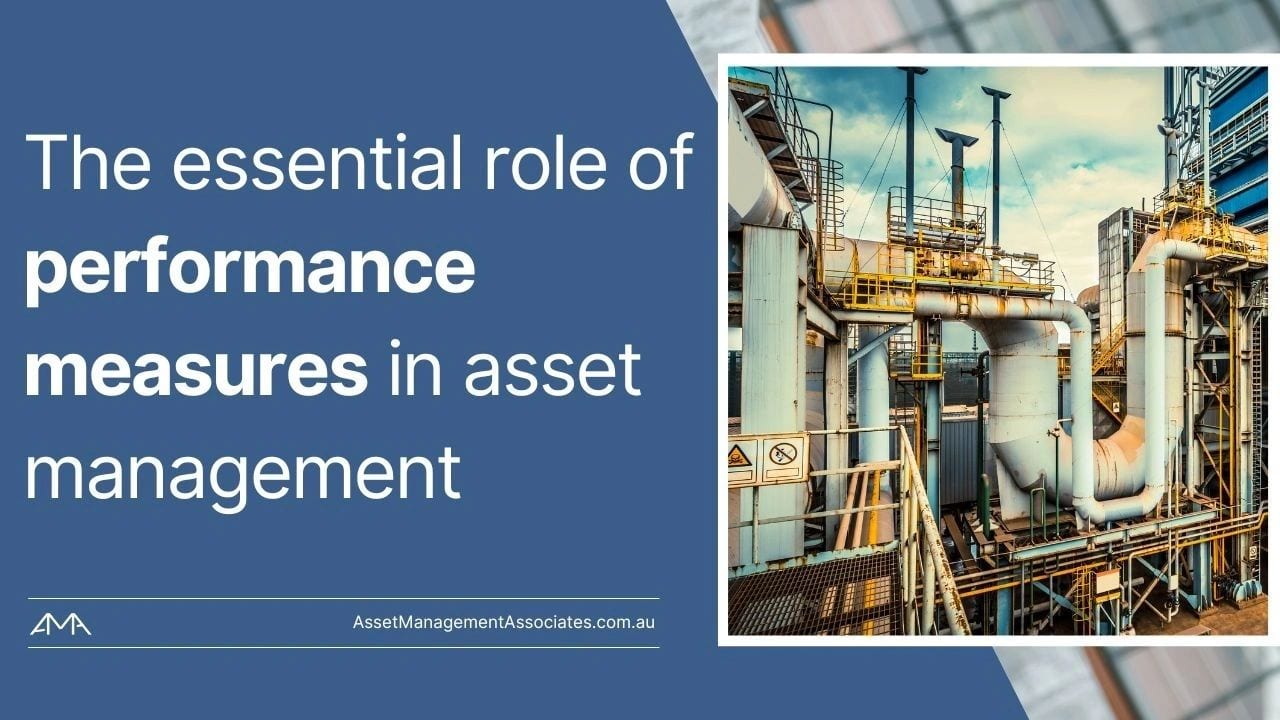
The essential role of performance measures in asset management
By Jarrod Chesher and Rachel Scott
In asset management, success hinges on the ability to accurately track and understand asset performance. Performance measures unlock detailed insights that drive operational improvements, cost savings, and enhanced reliability.
In this blog, we explore what performance measures are, why they matter, and how they empower asset managers to achieve excellence.
What are performance measures?
Performance measures are specific data points that capture distinct aspects of an asset’s operation. They provide a clear, focused view of individual elements—whether it’s downtime, maintenance costs, or inspection frequency.
These measures are the foundation for assessing the day-to-day health and efficiency of assets. Unlike broad evaluations or summary scores, performance measures are granular. They give you the raw data needed to identify strengths, pinpoint issues, and monitor trends over time. With the right measures in place, isolated figures can be transformed into actionable insights that drive real improvements.
Core performance measures in asset management
A robust asset management strategy relies on tracking several key performance measures. Some of the most critical include:
Asset utilisation
Tracks how frequently an asset is actively used versus idle. High utilisation rates often indicate assets are being leveraged effectively, while lower rates may suggest underuse or the need for operational changes.
Downtime
Measures the total time an asset is non-operational. Frequent or prolonged downtime can highlight reliability issues or gaps in maintenance practices.
Maintenance costs
Records the expenses incurred during both regular maintenance and unexpected repairs. Monitoring these costs is essential for budgeting and identifying cost reduction opportunities.
Inspection frequency
Tracks how often assets are inspected. Regular inspections are vital to catch small issues before they escalate into major failures.
Energy consumption
Monitors energy usage, particularly important for industrial assets. High energy consumption may indicate inefficiencies and the need for operational reviews or energy-efficient upgrades.
The benefits of focusing on performance measures
Concentrating on individual performance measures offers several important benefits:
Enhanced operational visibility
With clear data points at your fingertips, you can quickly identify problem areas and act before they impact overall performance.
Improved cost management
Monitoring maintenance costs and energy consumption helps you pinpoint inefficiencies and avoid unnecessary spending.
Proactive maintenance
Frequent tracking of downtime and inspections enables early detection of issues, allowing you to schedule maintenance before problems escalate.
Data-driven decision-making
Specific, measurable data removes guesswork and allows for informed, strategic decision-making based on facts, not assumptions.
Benchmarking and continuous improvement
Regularly tracking performance measures supports benchmarking against past performance and industry standards, fostering a culture of continuous improvement.
Implementing performance measures in your asset management strategy
To unlock the full value of performance measures, follow these best practices:
Define your objectives
Set clear goals for what you want to achieve, such as reducing downtime, lowering maintenance costs, or improving asset utilisation.
Choose relevant measures
Focus on performance measures that align directly with your operational and strategic objectives. Avoid collecting unnecessary data.
Leverage technology
Use monitoring systems and analytics tools to collect real-time data. Automated dashboards can alert you when deviations occur.
Regularly review and adjust
Operational environments change. Review your performance measures regularly to ensure they stay relevant and effective.
Engage your team
Train and communicate with your team to ensure everyone understands the value of performance measures and uses the data effectively.
Related reading
- The ultimate guide to asset management KPIs
- How to develop a comprehensive asset management strategy
These articles dive deeper into selecting KPIs and building strategies that complement your performance measures.
Conclusion
Performance measures are not just numbers on a spreadsheet—they are essential data points that drive decision-making, operational improvements, and long-term success. By tracking metrics such as asset utilisation, downtime, maintenance costs, and inspection frequency, you can optimise your asset management practices, enhance performance, and secure a competitive advantage.
Embrace performance measures to foster a culture of accountability, precision, and continuous improvement across your organisation.
Contact us today to optimise your asset performance and drive long-term business success.
Join our growing community of asset management professionals. Follow us on LinkedIn and be part of the conversation.