
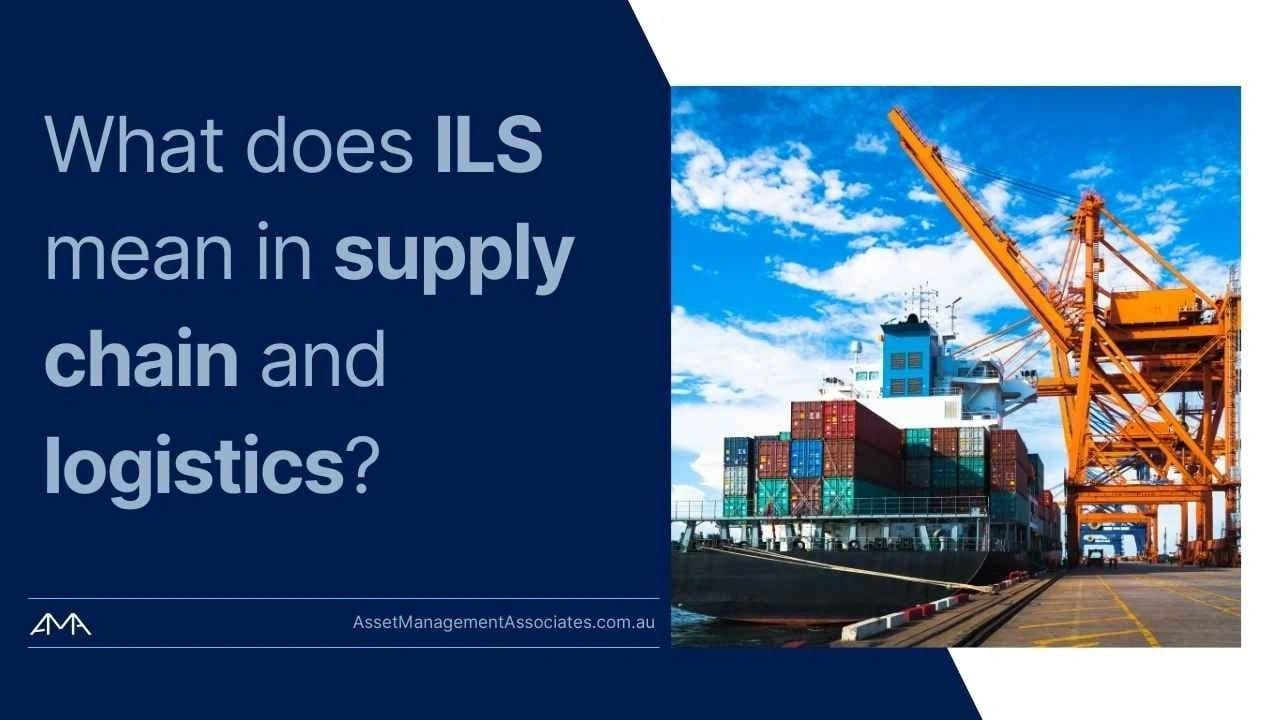
What does ILS mean in supply chain and logistics?
By Jarrod Chesher and Rachel Scott
Integrated logistics support (ILS) is a foundational concept in both supply chain and logistics. It ensures systems and products are designed, developed, and maintained with optimal support throughout their lifecycle—resulting in better reliability, lower costs, and improved operational efficiency.
For a deeper introduction to the concept, check out Integrated logistics support (ILS) – an overview.
What is integrated logistics support (ILS)?
ILS is a structured, disciplined approach to developing and managing support for complex systems and products. Its goal is to ensure that equipment is reliable, maintainable, and cost-effective throughout its entire lifecycle.
A well-implemented ILS framework improves everything from spare parts availability to personnel training and technical documentation. For asset-intensive organisations, this can be a game-changer.
Want to go deeper? Read The fundamentals of integrated logistics support (ILS) in asset management.
ILS in the supply chain
In the supply chain, ILS plays a key role in designing products that are easy to manufacture, ship, repair, and maintain. By embedding supportability into the design phase, organisations can significantly reduce total lifecycle costs and avoid downstream bottlenecks.
Example: A consumer electronics manufacturer applies ILS principles by designing products with modular components. This allows for simpler assembly, efficient packaging, and easier repairs—streamlining logistics and reducing support costs.
ILS in logistics operations
From a logistics standpoint, ILS supports the smooth movement and availability of assets. It ensures maintenance is proactive, resources are well-planned, and downtime is minimised.
Example: A transport company uses ILS to manage the maintenance of its vehicle fleet. With scheduled servicing, ready access to spares, and trained technicians, the company keeps trucks on the road and meets delivery targets.
The 10 key elements of ILS
A complete ILS framework covers ten essential areas:
- Product support management – Coordinating and integrating all support efforts across the lifecycle.
- Design interface – Incorporating supportability into product and system design.
- Sustaining engineering – Providing continuous engineering support to maintain system performance.
- Maintenance planning and management – Developing cost-effective strategies for upkeep and repair.
- Supply support – Ensuring availability of parts and materials when and where needed.
- Support equipment – Identifying tools and equipment required for maintenance tasks.
- Technical data – Creating and maintaining manuals, drawings, and specifications.
- Training and training support – Delivering relevant training for personnel involved in operations and maintenance.
- Manpower and personnel – Ensuring sufficient skilled staff are available to support the system.
- Facilities and infrastructure – Providing the necessary environment for maintenance and support activities.
Want to explore the importance of data in this process? Read Maximising asset management efficiency through data analytics.
Final thoughts: Why ILS matters
Integrated logistics support is essential for organisations aiming to run efficient, cost-effective, and reliable supply chains and logistics operations. By embedding ILS principles from the outset, businesses can unlock long-term value, reduce lifecycle costs, and improve service outcomes.
Need help applying ILS?
We help organisations develop and implement robust ILS frameworks tailored to their operations. Contact us to discuss how we can support your goals.
Join our growing community of asset management professionals. Follow us on LinkedIn and be part of the conversation.